
In this Expert Log, we look at the value of value engineering and how reviewing an existing machine design can unlock significant improvements in manufacturing efficiency, assembly time and overall production costs. We explore how simplifying designs, standardising components, removing unnecessary complexity and addressing over-engineered parts can make machinery easier and cheaper to manufacture, without compromising quality, performance or reliability.
When a machine or piece of equipment has been designed, manufactured and proven to work, it can be tempting to think that the design is finished. After all, if it does the job it was intended to do and it’s being sold to your target market successfully, why change it?
But there is often a considerable amount of value to be found in revisiting an existing machine and looking at how it could be designed better.
That is where value engineering comes in.
At Apexis Engineering, we work with manufacturers and OEMs to review existing machinery and equipment, looking for opportunities to simplify designs, reduce manufacturing costs, speed up assembly and make future production more efficient.
The objective isn’t to compromise on quality, functionality or reliability. It’s about achieving the same result, or an even better one, through a more intelligent and commercially practical design.
What is value engineering?
Value engineering is the process of reviewing an existing design to identify where improvements can be made without losing the features or functionality that make the machine work.
Over time, machinery designs can become unnecessarily complicated. Additional brackets get added, components are modified to overcome problems, different fasteners are introduced and individual parts are designed for specific applications when a standard component could do the same job.
Sometimes these changes are necessary. Sometimes they are simply the result of a design evolving over several years, with different people making changes along the way.
The result can be a machine that works perfectly well but is more expensive and time-consuming to manufacture than it needs to be.
Our job is to look at that machine with fresh eyes and ask some straightforward questions:
- Can we achieve the same function with fewer components?
- Are any parts over-engineered for the job they actually need to do?
- Can we use standardised components rather than bespoke parts?
- Can we make the fabrication process simpler?
- Can we reduce the number of different fixings, fasteners and materials?
- Can we make the machine quicker and easier to assemble?
- Can we make maintenance and replacement parts easier to manage?
Individually, these changes might seem relatively small. When they are combined across an entire machine or product range, the savings can be significant.
How we approach a value engineering project
Every project starts with a conversation.
We want to understand the machine, what it does, how it is currently manufactured and, importantly, where the manufacturer believes the problems or opportunities are.
Perhaps the machine has become too expensive to produce. Maybe assembly takes too long, there are too many different parts to hold in stock, or the original design is no longer competitive in the marketplace.
We look at the bigger picture before making recommendations.
1. Understanding the existing machine
The first stage is to understand exactly what we are working with.
We review the existing design information, drawings, bills of materials and 3D CAD models where they are available. We also want to understand how the machine is manufactured and assembled in practice.
If the original CAD information doesn’t exist, or the drawings are incomplete, we can look at reverse engineering the machine to create an accurate digital representation.
This is an important stage because we need to understand not just what each component does, but why it is there in the first place.
We consider the machine’s operating requirements, loads, interfaces, safety requirements and the environment in which it works. We also want to understand any issues experienced by the manufacturing and assembly teams.
There is little point in changing a design to make it cheaper to fabricate if it creates problems elsewhere in the production process.
2. Rebuilding and reviewing the design in CAD
Once we understand the existing machine, we use CAD to review the design and identify opportunities for improvement.
This is where we can really start to see the potential.
By looking at the machine as a complete assembly, rather than a collection of individual components, we can identify duplicated parts, unnecessary complexity and areas where the design could be simplified.
We can also look at how components interact, how assemblies fit together and whether the current construction method is the most practical one.
Having an accurate digital model allows us to explore different solutions, test ideas and make changes before committing to manufacturing.
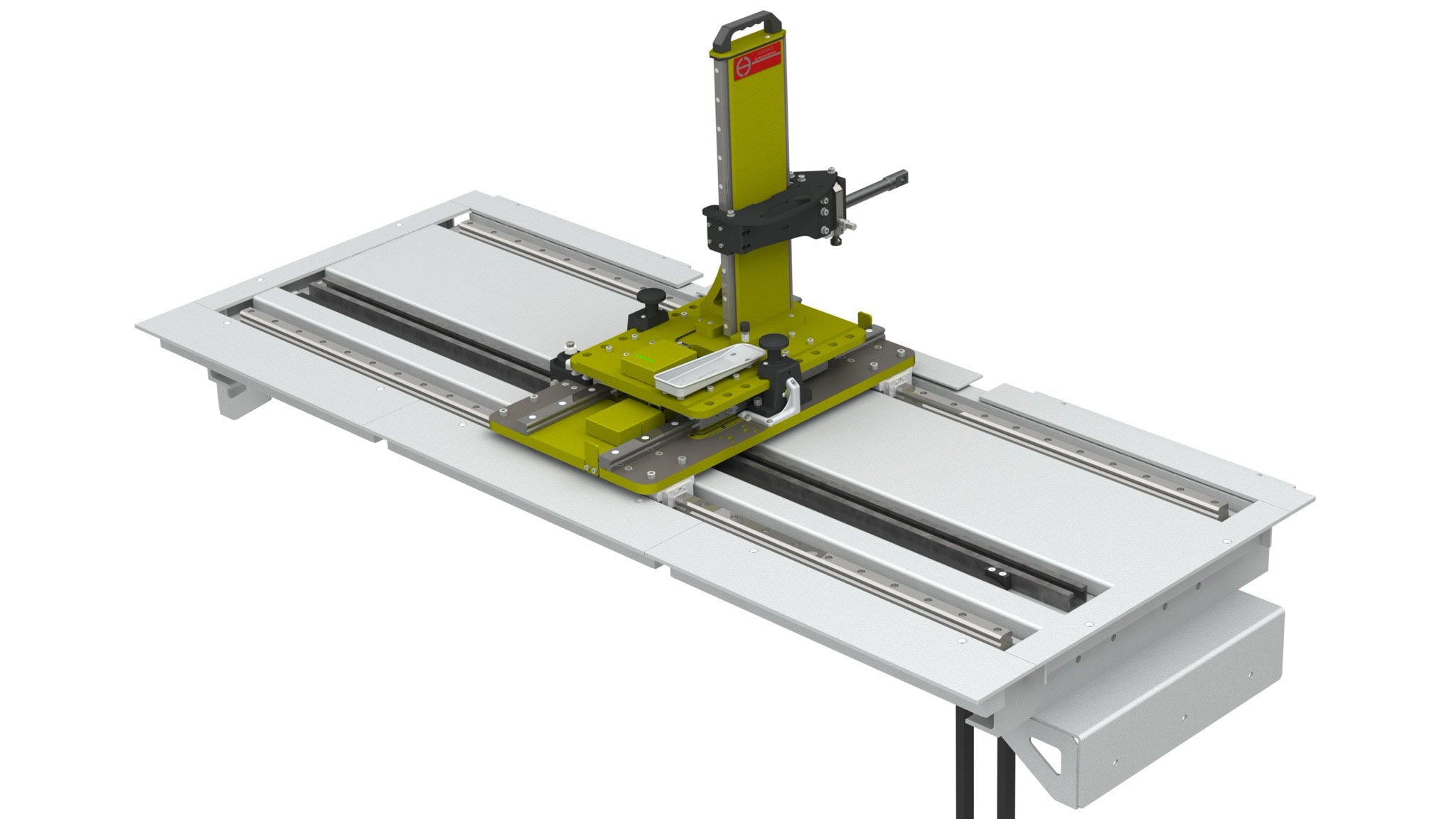
It is much easier and less expensive to identify a design improvement on screen than to discover a problem once parts have been manufactured.
3. Removing unnecessary complexity
One of the biggest opportunities in value engineering is often simply taking things out.
Over-engineered components, unnecessary brackets, excessive material thicknesses and complicated fabrication details can all add cost without adding meaningful value.
We look at whether components are doing more than they need to, whether multiple parts could become a single fabricated component and whether simpler manufacturing methods could achieve the same result.
For example, a machine might have several individual brackets and plates that could be redesigned into one folded or laser-cut component.
That could mean:
- Fewer individual parts to manufacture.
- Less welding and fabrication time.
- Fewer fixing points.
- Less material handling.
- A simpler assembly process.
The important thing is that we understand the engineering requirements before making changes. Removing material or simplifying a component must never compromise its strength, stiffness, safety or performance.
Good value engineering is about removing unnecessary complexity, not removing the engineering that makes a machine reliable.
4. Standardising parts and components
Another area where we regularly look for improvements is standardisation.
It’s surprising how many different sizes of bolts, nuts, washers, bearings, brackets and other components can end up in a single machine.
Sometimes this happens because the original design has evolved over time. Other times, individual components have been specified for convenience without considering the wider machine.
By reviewing the design as a whole, we can often rationalise these parts and introduce more standard components.
This can deliver several benefits:
- Fewer different components to purchase.
- Reduced stockholding and inventory costs.
- Easier sourcing of replacement parts.
- Less time spent picking components for assembly.
- More consistent manufacturing and assembly processes.
- Reduced risk of incorrect parts being fitted.
We can also look at standardising fabricated parts, profiles, material thicknesses and fixing arrangements.
The more commonality we can introduce without compromising the design, the easier it becomes to manufacture multiple machines consistently.
For OEMs producing equipment repeatedly, this can be particularly valuable.
5. Designing for easier and quicker assembly
A machine can be relatively straightforward to manufacture but still take far too long to assemble.
This is something we pay particular attention to.
We look at how the machine is put together, the order in which components are fitted and whether the design makes life unnecessarily difficult for the assembly team.
Can components be located more easily? Can fixing positions be improved? Can we reduce the number of operations needed to fit a component? Can assemblies be broken down into logical modules that are easier to build and handle?
We also consider practical details such as access for tools, bolt orientation, alignment features and how components locate against one another.
These details matter.
A design that saves a few minutes on one assembly operation might save hours across a production run. It can also reduce the need for highly skilled labour to overcome awkward assembly arrangements or adjust during the build.
Our philosophy is simple: machinery should be designed so that it goes together properly, without unnecessary effort or improvisation on the shop floor.
6. Making the machine cheaper to manufacture
The improvements mentioned so far contribute towards one of the main objectives of value engineering: reducing the overall cost of manufacture.
We look at the different processes involved in producing the machine, from laser cutting and machining through to fabrication, welding, finishing and final assembly.
A design change that makes one component cheaper might increase the cost of another manufacturing operation, so we consider the overall impact rather than looking at individual parts in isolation.
For example, reducing the number of components could also reduce the number of fabrication operations, welding requirements and assembly fixings.
Standardising materials and profiles can make purchasing easier and potentially reduce material waste.
Simplifying a manufacturing drawing can also make it easier for suppliers to quote and produce parts consistently.
The result is a design that is not only cheaper to make but also easier to manage through the supply chain.
What does a successful value engineering project deliver?
The benefits go beyond the initial manufacturing cost.
A well-executed value engineering project can deliver improvements throughout the life of a machine.
These can include:
You benefit from
- Lower manufacturing costs: fewer components, less material and simpler production processes.
- Quicker assembly: more logical designs, fewer fixings and easier component location.
- Reduced labour requirements: less time spent fabricating, fitting and adjusting components.
- Standardised parts: fewer different components to purchase, store and manage.
- Improved consistency: more repeatable manufacturing and assembly processes.
- Simpler maintenance: easier access, fewer specialist parts and more readily available replacements.
- Better commercial competitiveness: a more cost-effective machine that is easier to manufacture and maintain when in operation.
- Easier future production: a cleaner, more structured design that can be manufactured repeatedly and scaled more efficiently.
For an OEM, these improvements can make a real difference to the profitability of an existing product range.
Is it time to take another look at your existing machinery?
If you have an existing machine or product that has become expensive, complicated or time-consuming to manufacture, it could be worth reviewing the design.
You don’t necessarily need to start again or invest in a completely new machine. There may be considerable value in improving what you already have.
Whether it’s simplifying a fabrication, reducing the number of components, standardising fixings or completely rethinking how an assembly is put together, we can help identify opportunities to make your machinery better.
Value engineering is about getting more value from the engineering you already have.
At Apexis Engineering, we combine mechanical design engineering knowledge with a practical understanding of how machinery is actually manufactured and assembled.
We don’t just look at a machine on a computer screen and make changes that look good in CAD. We think about the people and processes involved in turning that design into a finished piece of equipment.
Our approach is commercially minded and practical. We want to find the best solution, not the most complicated one.
Expert Log
More from the Expert Log
Practical insight from our engineers on design, manufacture and assembly.
The designer should build the machine
Why the person designing a special purpose machine or bespoke plant should also understand how to build and assemble it.
Read The designer should build the machine →
Designed for a perfect fit
Why tolerances are critical when designing machinery, plant and equipment.
Read Designed for a perfect fit →Expert Log
Browse every article
All of our engineers’ articles on design, manufacture and assembly in one place.
All Expert Log articles →